





















Animal Assisted Therapy |
|
|
Animal assisted therapy (AAT) incorporates the use of pets as a therapeutic agent in the counseling process. Animal Assisted therapy is appropriate and used in a variety of settings including schools, hospitals, nursing facilities, and private practices. AAT promotes positive animal-human interaction and incorporates the talents and traits of animal into the counseling process to facilitate the emotional well being of the agencies consumers. |
|
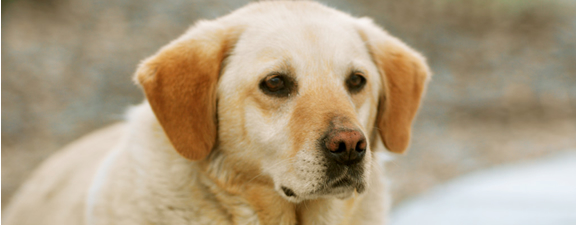







According to Chandler (2005) pet therapy can alter the dynamics of the therapy process in the following ways:
- The consumer may be more motivated to participate because of their desire to spend time with the therapy pet.
- The consumer’s focus could shift away from a disabling pain due to the interaction with the animal to the extent that the individual can worker harder and longer in treatment, thereby gaining more benefit per session.
- The consumer may experience nurturance and affection through physical contact with the therapy pet.
- The consumer may experience comfort from physical contact with the pet (petting or holding).
- The consumer may experience unconditional acceptance.
- The consumer may experience enjoyment and entertainment from the human-animal interaction.
- The consumer may be able to form a more trusting relationship with the clinician who demonstrates acceptance by the therapy animal.
- In some cases, the consumer may be able to perform activities and achieve goals that he/she would not otherwise be possible without the assistance of a therapy pet.
Sims Consulting & Clinical Services Animal Assisted Treatment Goals
- Social skills training
- Reduction of depressive symptoms
- Increase self esteem/self confidence
- Grief and loss
- Improve cooperation and problems solving skills
- Improve concentration and attention
- Reduce anxiety
- Resolve trust issues
- Boundaries/appropriate touch
- Improve communication skills
- Decease defiance/manipulative behaviors
Animal Assisted Counseling Techniques
- Give and receive affection through physical contact
- Learn gentle ways to handle therapy pet
- Learn to communicate with therapy pet
- Learn about animal behavior
- Observe and discuss pet’s response to human behavior
- Taking care of pet through proper care, feeding, and grooming
- Talk to and about the animal
- Engage in play
- Generalize animal behavior to human circumstances
- Discuss how animal might feel in certain situations
- Metaphors
- Following a sequence of instruction with therapy pet